
Egg Quality and Female Fertility
Shop through our latest selection of Fashion
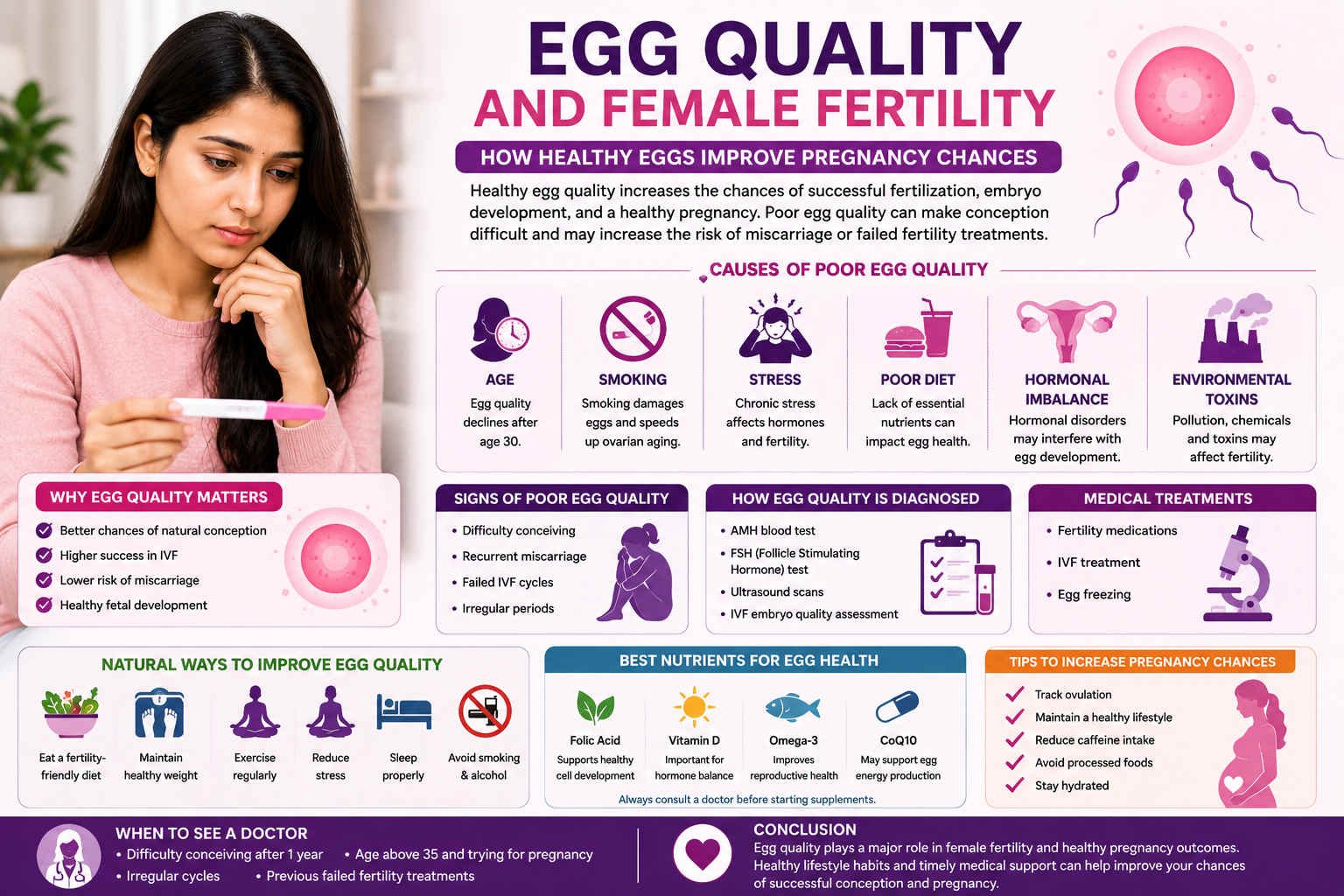
Egg Quality and Female Fertility
Egg Quality and Female Fertility: How Healthy Eggs Improve Pregnancy Chances
Introduction
When discussing female fertility, many people focus mainly on the number of eggs a woman has, but egg quality is equally important. Healthy egg quality plays a major role in successful fertilization, embryo development, implantation, and a healthy pregnancy.
Even if a woman ovulates regularly, poor egg quality can make conception difficult and may increase the risk of miscarriage or failed fertility treatments. As more women choose to delay pregnancy due to career, lifestyle, or personal reasons, awareness about egg quality has become increasingly important.
Understanding how egg quality affects fertility can help women make informed lifestyle choices, seek timely medical care, and improve their chances of a healthy pregnancy.
What is Egg Quality?
Egg quality refers to how healthy and genetically normal a woman’s eggs are. Good-quality eggs contain the correct number of chromosomes and have the ability to be fertilized successfully.
Healthy eggs are more likely to:
Be fertilized naturally
Develop into healthy embryos
Implant properly in the uterus
Result in a successful pregnancy
Poor-quality eggs may contain chromosomal abnormalities, making fertilization or embryo development difficult.
Why Egg Quality Matters in Fertility
Egg quality is one of the most important factors in female fertility. Even if ovulation occurs regularly, unhealthy eggs can reduce the chances of conception.
Good egg quality is essential for:
Natural conception
IVF success rates
Healthy embryo development
Lower miscarriage risk
Healthy fetal growth
Women with good-quality eggs generally have higher pregnancy success rates compared to women with poor egg quality.
How Age Affects Egg Quality
Age is the biggest factor affecting egg quality.
Women are born with all the eggs they will ever have. Over time, both the quantity and quality of eggs decline naturally.
Age and Fertility Decline
In the 20s → Egg quality is usually highest
After 30 → Gradual decline begins
After 35 → Faster decline in egg quality
After 40 → Significant reduction in fertility
This is why fertility specialists often recommend early fertility planning.
Causes of Poor Egg Quality
Several factors can negatively affect egg health:
1. Age
Natural aging leads to chromosomal abnormalities in eggs.
2. Smoking
Smoking damages ovarian tissue and accelerates ovarian aging.
3. Stress
Chronic stress disrupts reproductive hormones and affects egg development.
4. Poor Diet
Lack of nutrients and unhealthy eating habits reduce reproductive health.
5. Hormonal Imbalance
Conditions like thyroid disorders or PCOS can affect egg maturation.
6. Environmental Toxins
Pollution, chemicals, pesticides, and plastics may impact fertility.
7. Obesity
Excess body weight can affect hormone levels and ovulation.
Symptoms of Poor Egg Quality
Poor egg quality often has no direct symptoms. However, some signs may include:
Difficulty conceiving
Recurrent miscarriages
Failed IVF cycles
Irregular periods
Low AMH levels
Poor embryo quality during IVF
Many women only discover egg quality issues after fertility testing.
How Egg Quality is Diagnosed
Doctors use several tests to evaluate ovarian reserve and fertility health:
1. AMH Blood Test
Measures ovarian reserve and estimates egg quantity.
2. FSH Test (Follicle Stimulating Hormone)
Higher FSH levels may indicate reduced ovarian function.
3. Ultrasound Scan
Checks ovarian follicles and reproductive health.
4. IVF Embryo Assessment
Embryo quality during IVF can indicate egg health.
How to Improve Egg Quality Naturally
Although age cannot be reversed, healthy lifestyle changes can improve reproductive health and support better egg quality.
1. Eat a Fertility-Friendly Diet
A healthy diet supports hormone balance and egg development.
Include:
Green leafy vegetables
Berries and antioxidant-rich fruits
Whole grains
Nuts and seeds
Protein-rich foods
Healthy fats like avocado and olive oil
Avoid excessive junk food, sugar, and processed foods.
2. Maintain Healthy Weight
Both obesity and being underweight can affect fertility hormones.
Maintaining a healthy BMI supports:
Regular ovulation
Hormonal balance
Better reproductive health
3. Exercise Regularly
Moderate physical activity improves blood circulation and hormone regulation.
Helpful activities include:
Walking
Yoga
Swimming
Light workouts
Avoid excessive exercise, which may negatively affect ovulation.
4. Reduce Stress
Stress affects cortisol and reproductive hormones.
Stress management techniques include:
Meditation
Deep breathing exercises
Yoga
Spending time outdoors
Quality sleep
Mental health plays an important role in fertility.
5. Get Proper Sleep
Poor sleep can disrupt hormonal balance and reproductive function.
Aim for:
7–8 hours of quality sleep daily
Consistent sleep schedule
Healthy sleep supports hormone production and egg development.
6. Avoid Smoking and Alcohol
Smoking and excessive alcohol intake significantly damage egg quality and fertility.
Avoiding these habits can:
Improve reproductive health
Reduce oxidative stress
Protect ovarian reserve
Best Nutrients for Egg Health
Certain nutrients may support egg quality and fertility:
1. Folic Acid
Supports healthy cell development and pregnancy.
2. Vitamin D
Important for hormone balance and ovarian function.
3. Omega-3 Fatty Acids
Reduce inflammation and improve reproductive health.
4. CoQ10
May improve energy production in eggs.
5. Iron
Supports blood flow and reproductive health.
Always consult a doctor before taking supplements.
Medical Treatments to Improve Fertility
If natural methods are not enough, doctors may recommend medical treatments.
1. Fertility Medications
Help stimulate healthy egg production.
2. IVF (In Vitro Fertilization)
Improves fertilization chances using advanced reproductive techniques.
3. Egg Freezing
Useful for women who want to preserve fertility for the future.
4. Donor Eggs
Recommended in severe cases of poor egg quality.
Tips to Increase Pregnancy Chances
Women trying to conceive can improve fertility by:
Tracking ovulation cycles
Maintaining healthy lifestyle habits
Reducing caffeine intake
Staying hydrated
Managing stress
Avoiding smoking and alcohol
Taking prenatal vitamins with medical guidance
Consistency is key to improving reproductive health.
When to See a Doctor
Consult a fertility specialist if:
You are trying to conceive for over 1 year
You are above age 35 and struggling to conceive
You have irregular menstrual cycles
You experienced recurrent miscarriages
Previous fertility treatments have failed
Early diagnosis improves treatment success.
Emotional Impact of Fertility Challenges
Fertility struggles related to poor egg quality can be emotionally stressful.
Women may experience:
Anxiety
Frustration
Depression
Emotional exhaustion
It is important to:
Seek emotional support
Talk openly with your partner
Consider professional counseling if needed
Emotional well-being is an important part of the fertility journey.
FAQs About Egg Quality and Fertility
1. Can egg quality improve naturally?
Healthy lifestyle changes may support better reproductive health and egg function.
2. Does age affect egg quality the most?
Yes, age is the biggest factor affecting egg quality.
3. Can women with poor egg quality conceive naturally?
Yes, pregnancy is still possible depending on overall reproductive health.
4. Is IVF successful with poor egg quality?
IVF can help improve pregnancy chances, especially with early treatment.
Conclusion
Egg quality plays a major role in female fertility and healthy pregnancy outcomes. While age is an important factor, healthy lifestyle habits, proper nutrition, stress management, and timely medical support can improve reproductive health significantly.
Understanding fertility early and taking proactive steps can increase the chances of successful conception and a healthy pregnancy. Women experiencing fertility challenges should seek professional guidance to explore the best treatment options for their individual needs.
Introduction
When discussing female fertility, many people focus mainly on the number of eggs a woman has, but egg quality is equally important. Healthy egg quality plays a major role in successful fertilization, embryo development, implantation, and a healthy pregnancy.
Even if a woman ovulates regularly, poor egg quality can make conception difficult and may increase the risk of miscarriage or failed fertility treatments. As more women choose to delay pregnancy due to career, lifestyle, or personal reasons, awareness about egg quality has become increasingly important.
Understanding how egg quality affects fertility can help women make informed lifestyle choices, seek timely medical care, and improve their chances of a healthy pregnancy.
What is Egg Quality?
Egg quality refers to how healthy and genetically normal a woman’s eggs are. Good-quality eggs contain the correct number of chromosomes and have the ability to be fertilized successfully.
Healthy eggs are more likely to:
Be fertilized naturally
Develop into healthy embryos
Implant properly in the uterus
Result in a successful pregnancy
Poor-quality eggs may contain chromosomal abnormalities, making fertilization or embryo development difficult.
Why Egg Quality Matters in Fertility
Egg quality is one of the most important factors in female fertility. Even if ovulation occurs regularly, unhealthy eggs can reduce the chances of conception.
Good egg quality is essential for:
Natural conception
IVF success rates
Healthy embryo development
Lower miscarriage risk
Healthy fetal growth
Women with good-quality eggs generally have higher pregnancy success rates compared to women with poor egg quality.
How Age Affects Egg Quality
Age is the biggest factor affecting egg quality.
Women are born with all the eggs they will ever have. Over time, both the quantity and quality of eggs decline naturally.
Age and Fertility Decline
In the 20s → Egg quality is usually highest
After 30 → Gradual decline begins
After 35 → Faster decline in egg quality
After 40 → Significant reduction in fertility
This is why fertility specialists often recommend early fertility planning.
Causes of Poor Egg Quality
Several factors can negatively affect egg health:
1. Age
Natural aging leads to chromosomal abnormalities in eggs.
2. Smoking
Smoking damages ovarian tissue and accelerates ovarian aging.
3. Stress
Chronic stress disrupts reproductive hormones and affects egg development.
4. Poor Diet
Lack of nutrients and unhealthy eating habits reduce reproductive health.
5. Hormonal Imbalance
Conditions like thyroid disorders or PCOS can affect egg maturation.
6. Environmental Toxins
Pollution, chemicals, pesticides, and plastics may impact fertility.
7. Obesity
Excess body weight can affect hormone levels and ovulation.
Symptoms of Poor Egg Quality
Poor egg quality often has no direct symptoms. However, some signs may include:
Difficulty conceiving
Recurrent miscarriages
Failed IVF cycles
Irregular periods
Low AMH levels
Poor embryo quality during IVF
Many women only discover egg quality issues after fertility testing.
How Egg Quality is Diagnosed
Doctors use several tests to evaluate ovarian reserve and fertility health:
1. AMH Blood Test
Measures ovarian reserve and estimates egg quantity.
2. FSH Test (Follicle Stimulating Hormone)
Higher FSH levels may indicate reduced ovarian function.
3. Ultrasound Scan
Checks ovarian follicles and reproductive health.
4. IVF Embryo Assessment
Embryo quality during IVF can indicate egg health.
How to Improve Egg Quality Naturally
Although age cannot be reversed, healthy lifestyle changes can improve reproductive health and support better egg quality.
1. Eat a Fertility-Friendly Diet
A healthy diet supports hormone balance and egg development.
Include:
Green leafy vegetables
Berries and antioxidant-rich fruits
Whole grains
Nuts and seeds
Protein-rich foods
Healthy fats like avocado and olive oil
Avoid excessive junk food, sugar, and processed foods.
2. Maintain Healthy Weight
Both obesity and being underweight can affect fertility hormones.
Maintaining a healthy BMI supports:
Regular ovulation
Hormonal balance
Better reproductive health
3. Exercise Regularly
Moderate physical activity improves blood circulation and hormone regulation.
Helpful activities include:
Walking
Yoga
Swimming
Light workouts
Avoid excessive exercise, which may negatively affect ovulation.
4. Reduce Stress
Stress affects cortisol and reproductive hormones.
Stress management techniques include:
Meditation
Deep breathing exercises
Yoga
Spending time outdoors
Quality sleep
Mental health plays an important role in fertility.
5. Get Proper Sleep
Poor sleep can disrupt hormonal balance and reproductive function.
Aim for:
7–8 hours of quality sleep daily
Consistent sleep schedule
Healthy sleep supports hormone production and egg development.
6. Avoid Smoking and Alcohol
Smoking and excessive alcohol intake significantly damage egg quality and fertility.
Avoiding these habits can:
Improve reproductive health
Reduce oxidative stress
Protect ovarian reserve
Best Nutrients for Egg Health
Certain nutrients may support egg quality and fertility:
1. Folic Acid
Supports healthy cell development and pregnancy.
2. Vitamin D
Important for hormone balance and ovarian function.
3. Omega-3 Fatty Acids
Reduce inflammation and improve reproductive health.
4. CoQ10
May improve energy production in eggs.
5. Iron
Supports blood flow and reproductive health.
Always consult a doctor before taking supplements.
Medical Treatments to Improve Fertility
If natural methods are not enough, doctors may recommend medical treatments.
1. Fertility Medications
Help stimulate healthy egg production.
2. IVF (In Vitro Fertilization)
Improves fertilization chances using advanced reproductive techniques.
3. Egg Freezing
Useful for women who want to preserve fertility for the future.
4. Donor Eggs
Recommended in severe cases of poor egg quality.
Tips to Increase Pregnancy Chances
Women trying to conceive can improve fertility by:
Tracking ovulation cycles
Maintaining healthy lifestyle habits
Reducing caffeine intake
Staying hydrated
Managing stress
Avoiding smoking and alcohol
Taking prenatal vitamins with medical guidance
Consistency is key to improving reproductive health.
When to See a Doctor
Consult a fertility specialist if:
You are trying to conceive for over 1 year
You are above age 35 and struggling to conceive
You have irregular menstrual cycles
You experienced recurrent miscarriages
Previous fertility treatments have failed
Early diagnosis improves treatment success.
Emotional Impact of Fertility Challenges
Fertility struggles related to poor egg quality can be emotionally stressful.
Women may experience:
Anxiety
Frustration
Depression
Emotional exhaustion
It is important to:
Seek emotional support
Talk openly with your partner
Consider professional counseling if needed
Emotional well-being is an important part of the fertility journey.
FAQs About Egg Quality and Fertility
1. Can egg quality improve naturally?
Healthy lifestyle changes may support better reproductive health and egg function.
2. Does age affect egg quality the most?
Yes, age is the biggest factor affecting egg quality.
3. Can women with poor egg quality conceive naturally?
Yes, pregnancy is still possible depending on overall reproductive health.
4. Is IVF successful with poor egg quality?
IVF can help improve pregnancy chances, especially with early treatment.
Conclusion
Egg quality plays a major role in female fertility and healthy pregnancy outcomes. While age is an important factor, healthy lifestyle habits, proper nutrition, stress management, and timely medical support can improve reproductive health significantly.
Understanding fertility early and taking proactive steps can increase the chances of successful conception and a healthy pregnancy. Women experiencing fertility challenges should seek professional guidance to explore the best treatment options for their individual needs.