
Low AMH Levels in Women
Shop through our latest selection of Fashion
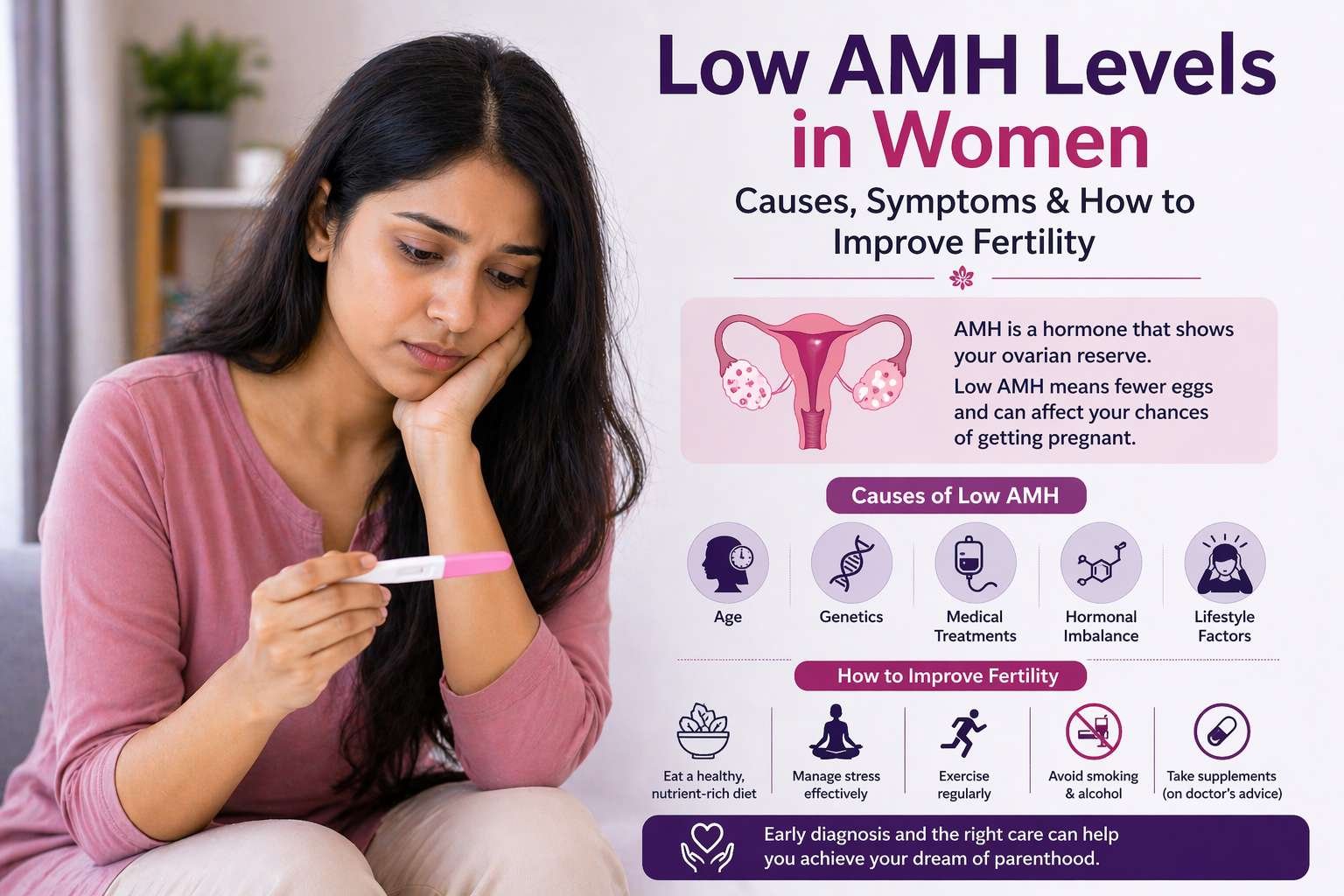
Low AMH Levels in Women
Low AMH Levels in Women: Causes, Symptoms & How to Improve Fertility
Introduction
Anti-Müllerian Hormone (AMH) is one of the most important indicators of a woman’s ovarian reserve, which refers to the number of eggs remaining in her ovaries. Low AMH levels are often associated with reduced fertility and can make it more difficult to conceive naturally.
In recent years, many women—especially those planning pregnancy later in life—are being diagnosed with low AMH. However, it’s important to understand that low AMH does not mean pregnancy is impossible. With the right approach, medical support, and lifestyle changes, many women with low AMH successfully conceive.
Understanding AMH, its causes, and ways to improve fertility can help women make informed decisions about their reproductive health.
What is AMH?
AMH (Anti-Müllerian Hormone) is a hormone produced by small follicles in the ovaries. These follicles contain immature eggs, and the level of AMH in the blood helps doctors estimate the ovarian reserve.
High AMH levels → Indicate good ovarian reserve
Low AMH levels → Suggest reduced ovarian reserve
AMH levels are relatively stable throughout the menstrual cycle, which makes this test a reliable indicator of fertility potential.
What is Low AMH?
Low AMH refers to lower-than-normal levels of Anti-Müllerian Hormone in the bloodstream. It indicates that the number of eggs in the ovaries is decreasing.
While this condition is more common with increasing age, it can also occur in younger women due to various medical or genetic reasons.
Causes of Low AMH Levels
Several factors can contribute to low AMH levels:
1. Age Factor
As women age, the ovarian reserve naturally declines, leading to lower AMH levels.
2. Genetic Factors
Some women are born with fewer eggs, which results in lower AMH levels from an early age.
3. Medical Treatments
Procedures like chemotherapy, radiation therapy, or ovarian surgeries can damage ovarian tissue and reduce egg count.
4. Hormonal Imbalance
Conditions like thyroid disorders or PCOS (in some cases) may affect hormone levels and ovarian function.
5. Lifestyle Factors
Poor diet, smoking, alcohol consumption, and chronic stress can negatively impact ovarian health.
Symptoms of Low AMH
Low AMH usually does not show clear symptoms, which is why many women are unaware of it until they face fertility issues.
However, some possible signs include:
Difficulty conceiving
Irregular or missed periods
Signs of early menopause
Reduced fertility over time
How is Low AMH Diagnosed?
Doctors use specific tests to diagnose low AMH levels:
1. Blood Test
A simple blood test measures AMH levels and helps determine ovarian reserve.
2. Ultrasound (AFC Test)
Antral Follicle Count (AFC) is done through ultrasound to estimate the number of follicles in the ovaries.
These tests together provide a clearer picture of fertility potential.
How Low AMH Affects Fertility
Low AMH primarily affects the number of eggs available for fertilization. It can:
Reduce the chances of natural conception
Affect response to fertility treatments
Lower the success rate of IVF in some cases
However, it is important to note that egg quality matters more than quantity. Many women with low AMH still conceive successfully.
Natural Ways to Improve Fertility with Low AMH
Although AMH levels cannot be significantly increased, certain lifestyle changes can improve overall fertility:
1. Healthy Diet
Include foods rich in antioxidants, vitamins, and minerals:
Leafy greens
Fruits
Nuts and seeds
Whole grains
2. Regular Exercise
Moderate physical activity helps maintain hormonal balance and improves blood circulation.
3. Reduce Stress
High stress levels can negatively affect reproductive hormones. Practice:
Yoga
Meditation
Deep breathing
4. Avoid Smoking & Alcohol
These habits can damage egg quality and reduce ovarian reserve further.
5. Take Supplements (Doctor Advice)
Supplements like Vitamin D, CoQ10, and folic acid may support reproductive health (only with medical guidance).
Medical Treatment Options
Depending on individual conditions, doctors may recommend:
1. Fertility Medications
Used to stimulate the ovaries to produce more eggs.
2. IVF (In Vitro Fertilization)
IVF is one of the most effective treatments for women with low AMH.
3. Egg Freezing
Ideal for women who want to preserve fertility for the future.
4. Donor Eggs
In severe cases, donor eggs may be used to increase the chances of pregnancy.
Can You Get Pregnant with Low AMH?
Yes, pregnancy is still possible with low AMH. Many women conceive naturally or with the help of fertility treatments.
Success depends on:
Age
Egg quality
Overall health
Timely medical intervention
Early planning and the right treatment approach significantly improve outcomes.
Tips to Boost Fertility with Low AMH
Track ovulation cycles
Maintain a healthy weight
Follow a balanced lifestyle
Avoid stress and unhealthy habits
Stay consistent with treatment
Consult a fertility specialist early
When to See a Doctor
You should consult a doctor if:
You are trying to conceive without success
You have irregular menstrual cycles
You are planning pregnancy after 30
You have known fertility issues
Early diagnosis helps in better treatment planning.
Emotional Impact of Low AMH
A low AMH diagnosis can be stressful and overwhelming. Women may experience anxiety, fear, or frustration.
It’s important to:
Stay informed and positive
Seek support from your partner and family
Consider counseling if needed
Mental well-being plays a crucial role in fertility.
FAQs About Low AMH
1. Can AMH levels be increased naturally?
AMH levels cannot be significantly increased, but lifestyle changes can improve egg quality and fertility.
2. Is IVF successful with low AMH?
Yes, IVF can still be successful, especially in younger women.
3. Does low AMH mean early menopause?
Not always, but it may indicate reduced ovarian reserve.
4. Can young women have low AMH?
Yes, due to genetic or medical reasons.
Conclusion
Low AMH levels can be concerning, but they do not mean the end of your fertility journey. With proper diagnosis, timely medical intervention, and healthy lifestyle changes, many women successfully conceive.
Understanding your reproductive health and taking early action can make a significant difference in achieving a healthy pregnancy.
Introduction
Anti-Müllerian Hormone (AMH) is one of the most important indicators of a woman’s ovarian reserve, which refers to the number of eggs remaining in her ovaries. Low AMH levels are often associated with reduced fertility and can make it more difficult to conceive naturally.
In recent years, many women—especially those planning pregnancy later in life—are being diagnosed with low AMH. However, it’s important to understand that low AMH does not mean pregnancy is impossible. With the right approach, medical support, and lifestyle changes, many women with low AMH successfully conceive.
Understanding AMH, its causes, and ways to improve fertility can help women make informed decisions about their reproductive health.
What is AMH?
AMH (Anti-Müllerian Hormone) is a hormone produced by small follicles in the ovaries. These follicles contain immature eggs, and the level of AMH in the blood helps doctors estimate the ovarian reserve.
High AMH levels → Indicate good ovarian reserve
Low AMH levels → Suggest reduced ovarian reserve
AMH levels are relatively stable throughout the menstrual cycle, which makes this test a reliable indicator of fertility potential.
What is Low AMH?
Low AMH refers to lower-than-normal levels of Anti-Müllerian Hormone in the bloodstream. It indicates that the number of eggs in the ovaries is decreasing.
While this condition is more common with increasing age, it can also occur in younger women due to various medical or genetic reasons.
Causes of Low AMH Levels
Several factors can contribute to low AMH levels:
1. Age Factor
As women age, the ovarian reserve naturally declines, leading to lower AMH levels.
2. Genetic Factors
Some women are born with fewer eggs, which results in lower AMH levels from an early age.
3. Medical Treatments
Procedures like chemotherapy, radiation therapy, or ovarian surgeries can damage ovarian tissue and reduce egg count.
4. Hormonal Imbalance
Conditions like thyroid disorders or PCOS (in some cases) may affect hormone levels and ovarian function.
5. Lifestyle Factors
Poor diet, smoking, alcohol consumption, and chronic stress can negatively impact ovarian health.
Symptoms of Low AMH
Low AMH usually does not show clear symptoms, which is why many women are unaware of it until they face fertility issues.
However, some possible signs include:
Difficulty conceiving
Irregular or missed periods
Signs of early menopause
Reduced fertility over time
How is Low AMH Diagnosed?
Doctors use specific tests to diagnose low AMH levels:
1. Blood Test
A simple blood test measures AMH levels and helps determine ovarian reserve.
2. Ultrasound (AFC Test)
Antral Follicle Count (AFC) is done through ultrasound to estimate the number of follicles in the ovaries.
These tests together provide a clearer picture of fertility potential.
How Low AMH Affects Fertility
Low AMH primarily affects the number of eggs available for fertilization. It can:
Reduce the chances of natural conception
Affect response to fertility treatments
Lower the success rate of IVF in some cases
However, it is important to note that egg quality matters more than quantity. Many women with low AMH still conceive successfully.
Natural Ways to Improve Fertility with Low AMH
Although AMH levels cannot be significantly increased, certain lifestyle changes can improve overall fertility:
1. Healthy Diet
Include foods rich in antioxidants, vitamins, and minerals:
Leafy greens
Fruits
Nuts and seeds
Whole grains
2. Regular Exercise
Moderate physical activity helps maintain hormonal balance and improves blood circulation.
3. Reduce Stress
High stress levels can negatively affect reproductive hormones. Practice:
Yoga
Meditation
Deep breathing
4. Avoid Smoking & Alcohol
These habits can damage egg quality and reduce ovarian reserve further.
5. Take Supplements (Doctor Advice)
Supplements like Vitamin D, CoQ10, and folic acid may support reproductive health (only with medical guidance).
Medical Treatment Options
Depending on individual conditions, doctors may recommend:
1. Fertility Medications
Used to stimulate the ovaries to produce more eggs.
2. IVF (In Vitro Fertilization)
IVF is one of the most effective treatments for women with low AMH.
3. Egg Freezing
Ideal for women who want to preserve fertility for the future.
4. Donor Eggs
In severe cases, donor eggs may be used to increase the chances of pregnancy.
Can You Get Pregnant with Low AMH?
Yes, pregnancy is still possible with low AMH. Many women conceive naturally or with the help of fertility treatments.
Success depends on:
Age
Egg quality
Overall health
Timely medical intervention
Early planning and the right treatment approach significantly improve outcomes.
Tips to Boost Fertility with Low AMH
Track ovulation cycles
Maintain a healthy weight
Follow a balanced lifestyle
Avoid stress and unhealthy habits
Stay consistent with treatment
Consult a fertility specialist early
When to See a Doctor
You should consult a doctor if:
You are trying to conceive without success
You have irregular menstrual cycles
You are planning pregnancy after 30
You have known fertility issues
Early diagnosis helps in better treatment planning.
Emotional Impact of Low AMH
A low AMH diagnosis can be stressful and overwhelming. Women may experience anxiety, fear, or frustration.
It’s important to:
Stay informed and positive
Seek support from your partner and family
Consider counseling if needed
Mental well-being plays a crucial role in fertility.
FAQs About Low AMH
1. Can AMH levels be increased naturally?
AMH levels cannot be significantly increased, but lifestyle changes can improve egg quality and fertility.
2. Is IVF successful with low AMH?
Yes, IVF can still be successful, especially in younger women.
3. Does low AMH mean early menopause?
Not always, but it may indicate reduced ovarian reserve.
4. Can young women have low AMH?
Yes, due to genetic or medical reasons.
Conclusion
Low AMH levels can be concerning, but they do not mean the end of your fertility journey. With proper diagnosis, timely medical intervention, and healthy lifestyle changes, many women successfully conceive.
Understanding your reproductive health and taking early action can make a significant difference in achieving a healthy pregnancy.