
Recurrent Miscarriage in Women
Shop through our latest selection of Fashion
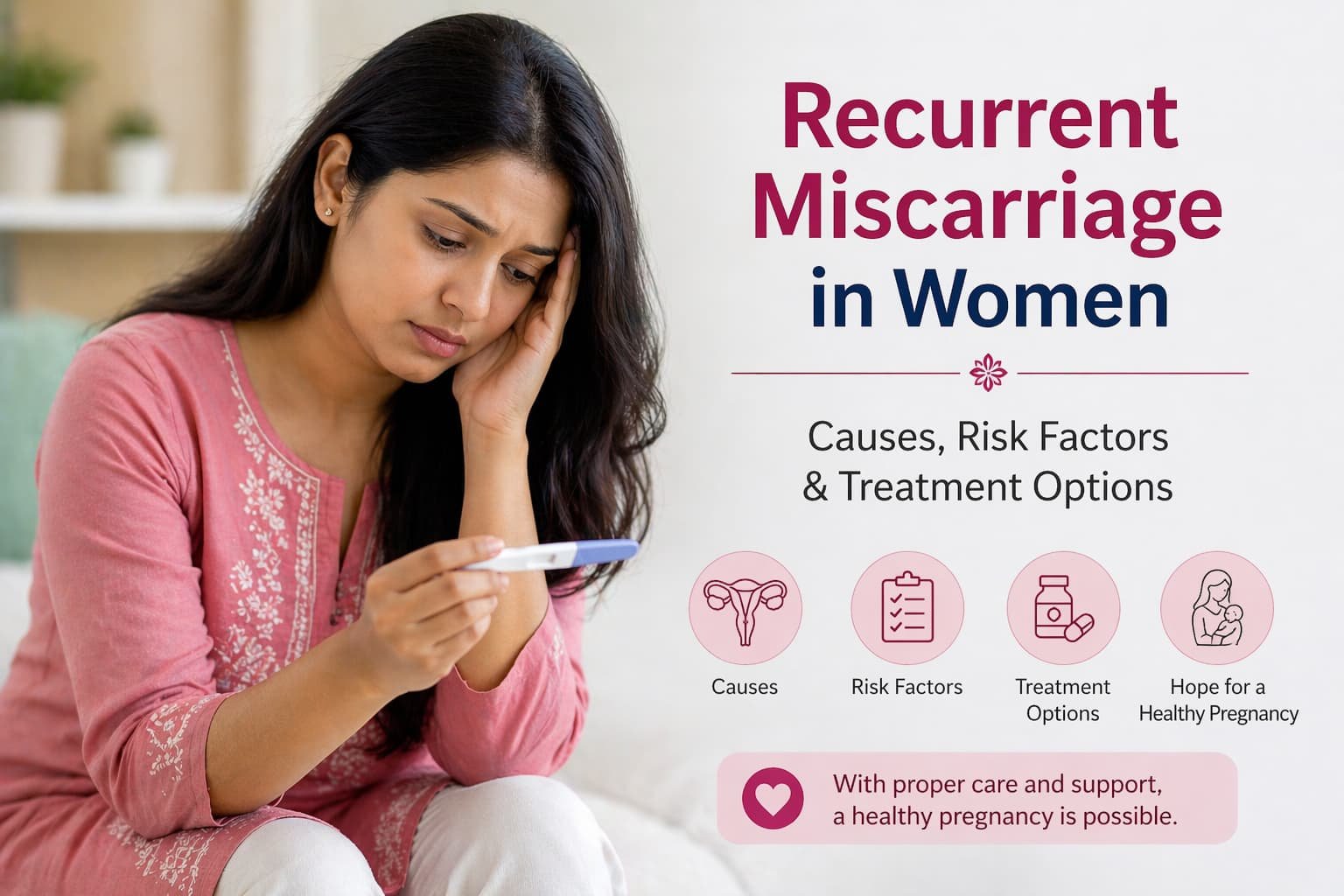
Recurrent Miscarriage in Women
Recurrent Miscarriage in Women: Causes, Risk Factors & Treatment Options
Introduction
Experiencing a miscarriage can be emotionally and physically challenging for any woman. However, when pregnancy loss happens repeatedly, it becomes even more distressing and is medically referred to as recurrent miscarriage. This condition not only affects physical health but also takes a significant emotional toll on couples trying to conceive.
Recurrent miscarriage is more than just repeated pregnancy loss—it often indicates underlying medical, genetic, or hormonal issues that require proper evaluation and treatment. The good news is that with the right diagnosis, medical care, and lifestyle changes, many women go on to have successful and healthy pregnancies.
Understanding the causes, symptoms, and treatment options can help women take the right steps toward improving their chances of carrying a pregnancy to term.
What is Recurrent Miscarriage?
Recurrent miscarriage is defined as the loss of two or more consecutive pregnancies before 20 weeks of gestation. Some medical guidelines consider three or more losses as recurrent, but early evaluation is often recommended after two miscarriages.
This condition affects a small percentage of women but requires careful medical attention to identify the root cause.
How Common is Recurrent Miscarriage?
Recurrent miscarriage is relatively uncommon, affecting about 1–2% of women. Despite being rare, it is a serious reproductive concern that needs timely diagnosis and proper treatment.
In many cases, the exact cause may not be immediately clear, but advanced medical testing can often help identify contributing factors.
Causes of Recurrent Miscarriage
There are several possible causes behind recurrent pregnancy loss:
1. Genetic Factors
Chromosomal abnormalities in the embryo are one of the most common causes. These abnormalities can prevent the embryo from developing normally.
2. Hormonal Imbalance
Low levels of progesterone or thyroid disorders can interfere with implantation and pregnancy maintenance.
3. Uterine Abnormalities
Structural issues such as fibroids, uterine septum, or an abnormally shaped uterus can make it difficult for the embryo to grow properly.
4. Immune System Disorders
Autoimmune conditions may cause the body to mistakenly attack the developing embryo.
5. Blood Clotting Disorders
Conditions like thrombophilia can restrict blood flow to the placenta, leading to pregnancy loss.
6. Infections
Untreated infections can increase the risk of miscarriage.
7. Lifestyle Factors
Smoking, alcohol consumption, excessive caffeine intake, and stress can also contribute to pregnancy loss.
Symptoms of Recurrent Miscarriage
While miscarriage symptoms can vary, common signs include:
Repeated pregnancy loss
Vaginal bleeding during pregnancy
Abdominal pain or cramping
Lower back pain
Hormonal irregularities
In some cases, there may be no clear symptoms until pregnancy loss occurs.
Risk Factors for Recurrent Miscarriage
Certain factors can increase the likelihood of recurrent miscarriage:
Age above 30 or 35
Smoking and alcohol use
Obesity or unhealthy weight
Chronic conditions like diabetes or thyroid disorders
High stress levels
Poor lifestyle habits
Understanding these risk factors can help in prevention and management.
Diagnosis of Recurrent Miscarriage
Proper diagnosis is essential to determine the underlying cause. Doctors may recommend:
Genetic Testing – To detect chromosomal abnormalities
Hormone Tests – To check progesterone and thyroid levels
Ultrasound Imaging – To examine the uterus
Blood Clotting Tests – To identify clotting disorders
Hysteroscopy or Laparoscopy – To evaluate uterine structure
Early and accurate diagnosis improves treatment success.
Treatment Options for Recurrent Miscarriage
Treatment depends on the underlying cause:
1. Hormone Therapy
Progesterone supplements help support early pregnancy.
2. Surgical Treatment
Surgery may be required to correct uterine abnormalities such as fibroids or septum.
3. Medications
Used to treat immune system disorders or blood clotting issues.
4. IVF with Genetic Testing
In vitro fertilization (IVF) combined with genetic testing helps select healthy embryos, increasing the chances of a successful pregnancy.
5. Lifestyle Modifications
Improving diet, sleep, and stress levels can significantly enhance fertility outcomes.
Natural Ways to Reduce the Risk of Miscarriage
While medical treatment is important, natural approaches can support a healthy pregnancy:
1. Maintain a Healthy Diet
Eat nutrient-rich foods including fruits, vegetables, proteins, and whole grains.
2. Manage Stress
Practice yoga, meditation, and relaxation techniques.
3. Avoid Harmful Substances
Stay away from smoking, alcohol, and excessive caffeine.
4. Take Prenatal Vitamins
Folic acid and essential vitamins support fetal development.
5. Get Proper Rest
Adequate sleep is crucial for hormonal balance.
Emotional Impact & Support
Recurrent miscarriage can lead to intense emotional stress, anxiety, and even depression. Couples may feel helpless or discouraged after repeated losses.
It is important to:
Seek emotional support from family and friends
Talk openly with your partner
Consider professional counseling
Join support groups
Mental well-being plays a crucial role in the fertility journey.
When to See a Doctor
You should consult a doctor if:
You have experienced two or more miscarriages
You have difficulty maintaining pregnancy
You have irregular menstrual cycles
You have known health conditions affecting fertility
Early medical intervention can greatly improve outcomes.
Tips for a Healthy Pregnancy After Miscarriage
Schedule regular prenatal check-ups
Follow a balanced and healthy lifestyle
Monitor your health closely
Stay positive and patient
Follow your doctor’s advice strictly
FAQs About Recurrent Miscarriage
1. Can I have a successful pregnancy after recurrent miscarriage?
Yes, many women go on to have healthy pregnancies with proper treatment and care.
2. How many miscarriages are considered recurrent?
Two or more consecutive pregnancy losses are considered recurrent miscarriage.
3. Is stress a cause of miscarriage?
Stress alone may not cause miscarriage but can contribute to overall health issues affecting pregnancy.
4. Can lifestyle changes help prevent miscarriage?
Yes, healthy habits can significantly improve pregnancy outcomes.
Conclusion
Recurrent miscarriage can be a difficult and emotional experience, but it does not mean the end of your parenthood journey. With proper diagnosis, timely treatment, and emotional support, many women successfully conceive and carry their pregnancies to term.
Understanding the causes and taking proactive steps can make a significant difference in improving fertility and achieving a healthy pregnancy
Introduction
Experiencing a miscarriage can be emotionally and physically challenging for any woman. However, when pregnancy loss happens repeatedly, it becomes even more distressing and is medically referred to as recurrent miscarriage. This condition not only affects physical health but also takes a significant emotional toll on couples trying to conceive.
Recurrent miscarriage is more than just repeated pregnancy loss—it often indicates underlying medical, genetic, or hormonal issues that require proper evaluation and treatment. The good news is that with the right diagnosis, medical care, and lifestyle changes, many women go on to have successful and healthy pregnancies.
Understanding the causes, symptoms, and treatment options can help women take the right steps toward improving their chances of carrying a pregnancy to term.
What is Recurrent Miscarriage?
Recurrent miscarriage is defined as the loss of two or more consecutive pregnancies before 20 weeks of gestation. Some medical guidelines consider three or more losses as recurrent, but early evaluation is often recommended after two miscarriages.
This condition affects a small percentage of women but requires careful medical attention to identify the root cause.
How Common is Recurrent Miscarriage?
Recurrent miscarriage is relatively uncommon, affecting about 1–2% of women. Despite being rare, it is a serious reproductive concern that needs timely diagnosis and proper treatment.
In many cases, the exact cause may not be immediately clear, but advanced medical testing can often help identify contributing factors.
Causes of Recurrent Miscarriage
There are several possible causes behind recurrent pregnancy loss:
1. Genetic Factors
Chromosomal abnormalities in the embryo are one of the most common causes. These abnormalities can prevent the embryo from developing normally.
2. Hormonal Imbalance
Low levels of progesterone or thyroid disorders can interfere with implantation and pregnancy maintenance.
3. Uterine Abnormalities
Structural issues such as fibroids, uterine septum, or an abnormally shaped uterus can make it difficult for the embryo to grow properly.
4. Immune System Disorders
Autoimmune conditions may cause the body to mistakenly attack the developing embryo.
5. Blood Clotting Disorders
Conditions like thrombophilia can restrict blood flow to the placenta, leading to pregnancy loss.
6. Infections
Untreated infections can increase the risk of miscarriage.
7. Lifestyle Factors
Smoking, alcohol consumption, excessive caffeine intake, and stress can also contribute to pregnancy loss.
Symptoms of Recurrent Miscarriage
While miscarriage symptoms can vary, common signs include:
Repeated pregnancy loss
Vaginal bleeding during pregnancy
Abdominal pain or cramping
Lower back pain
Hormonal irregularities
In some cases, there may be no clear symptoms until pregnancy loss occurs.
Risk Factors for Recurrent Miscarriage
Certain factors can increase the likelihood of recurrent miscarriage:
Age above 30 or 35
Smoking and alcohol use
Obesity or unhealthy weight
Chronic conditions like diabetes or thyroid disorders
High stress levels
Poor lifestyle habits
Understanding these risk factors can help in prevention and management.
Diagnosis of Recurrent Miscarriage
Proper diagnosis is essential to determine the underlying cause. Doctors may recommend:
Genetic Testing – To detect chromosomal abnormalities
Hormone Tests – To check progesterone and thyroid levels
Ultrasound Imaging – To examine the uterus
Blood Clotting Tests – To identify clotting disorders
Hysteroscopy or Laparoscopy – To evaluate uterine structure
Early and accurate diagnosis improves treatment success.
Treatment Options for Recurrent Miscarriage
Treatment depends on the underlying cause:
1. Hormone Therapy
Progesterone supplements help support early pregnancy.
2. Surgical Treatment
Surgery may be required to correct uterine abnormalities such as fibroids or septum.
3. Medications
Used to treat immune system disorders or blood clotting issues.
4. IVF with Genetic Testing
In vitro fertilization (IVF) combined with genetic testing helps select healthy embryos, increasing the chances of a successful pregnancy.
5. Lifestyle Modifications
Improving diet, sleep, and stress levels can significantly enhance fertility outcomes.
Natural Ways to Reduce the Risk of Miscarriage
While medical treatment is important, natural approaches can support a healthy pregnancy:
1. Maintain a Healthy Diet
Eat nutrient-rich foods including fruits, vegetables, proteins, and whole grains.
2. Manage Stress
Practice yoga, meditation, and relaxation techniques.
3. Avoid Harmful Substances
Stay away from smoking, alcohol, and excessive caffeine.
4. Take Prenatal Vitamins
Folic acid and essential vitamins support fetal development.
5. Get Proper Rest
Adequate sleep is crucial for hormonal balance.
Emotional Impact & Support
Recurrent miscarriage can lead to intense emotional stress, anxiety, and even depression. Couples may feel helpless or discouraged after repeated losses.
It is important to:
Seek emotional support from family and friends
Talk openly with your partner
Consider professional counseling
Join support groups
Mental well-being plays a crucial role in the fertility journey.
When to See a Doctor
You should consult a doctor if:
You have experienced two or more miscarriages
You have difficulty maintaining pregnancy
You have irregular menstrual cycles
You have known health conditions affecting fertility
Early medical intervention can greatly improve outcomes.
Tips for a Healthy Pregnancy After Miscarriage
Schedule regular prenatal check-ups
Follow a balanced and healthy lifestyle
Monitor your health closely
Stay positive and patient
Follow your doctor’s advice strictly
FAQs About Recurrent Miscarriage
1. Can I have a successful pregnancy after recurrent miscarriage?
Yes, many women go on to have healthy pregnancies with proper treatment and care.
2. How many miscarriages are considered recurrent?
Two or more consecutive pregnancy losses are considered recurrent miscarriage.
3. Is stress a cause of miscarriage?
Stress alone may not cause miscarriage but can contribute to overall health issues affecting pregnancy.
4. Can lifestyle changes help prevent miscarriage?
Yes, healthy habits can significantly improve pregnancy outcomes.
Conclusion
Recurrent miscarriage can be a difficult and emotional experience, but it does not mean the end of your parenthood journey. With proper diagnosis, timely treatment, and emotional support, many women successfully conceive and carry their pregnancies to term.
Understanding the causes and taking proactive steps can make a significant difference in improving fertility and achieving a healthy pregnancy