
Thin Endometrial Lining in Women Fertility Guide
Shop through our latest selection of Fashion
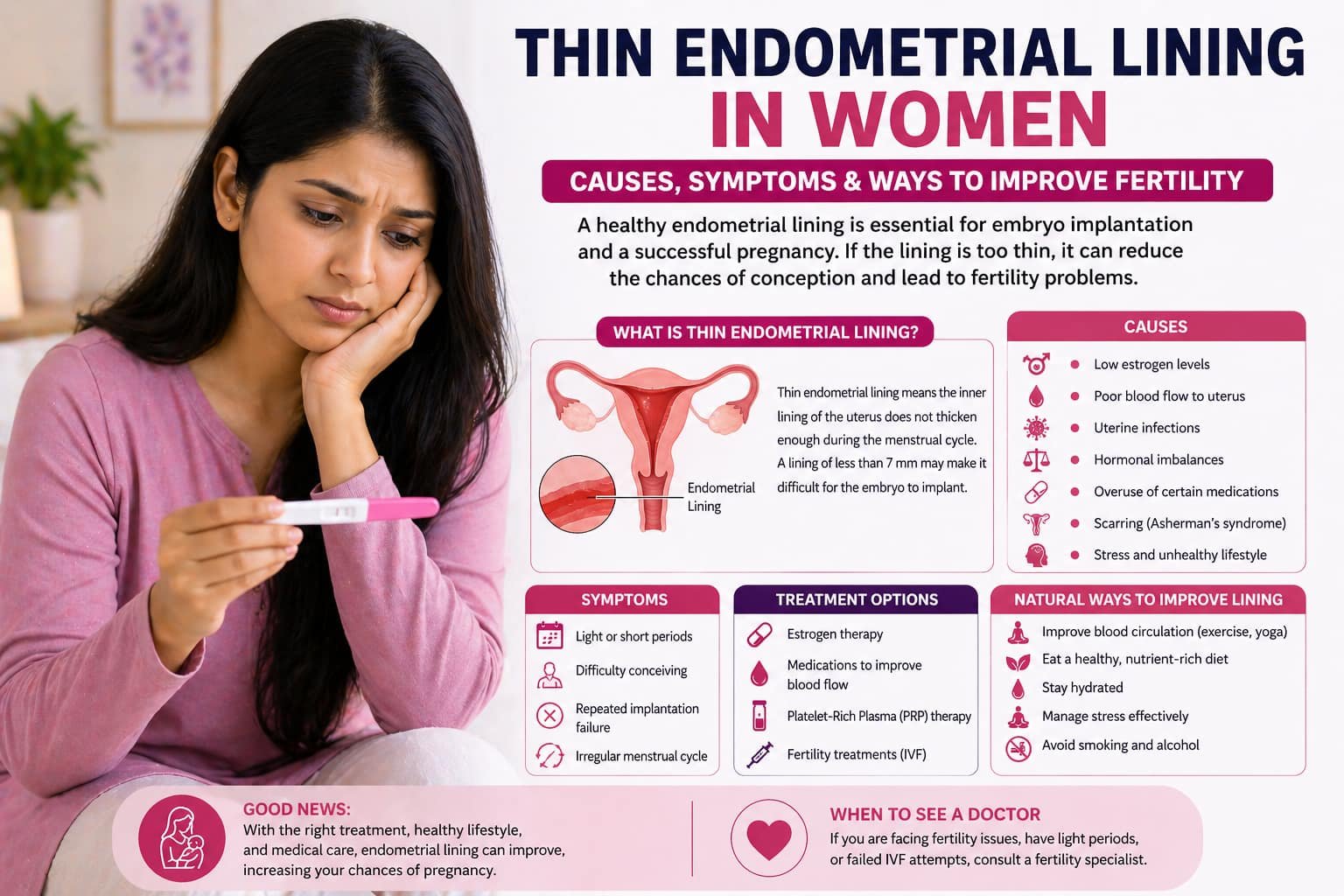
Thin Endometrial Lining in Women Fertility Guide
Thin Endometrial Lining in Women: Causes, Symptoms & Ways to Improve Fertility
Introduction
A healthy endometrial lining plays a crucial role in successful pregnancy. The endometrium is the inner lining of the uterus where a fertilized egg implants and begins to grow. If this lining is too thin, it can significantly reduce the chances of implantation and lead to fertility challenges.
Many women are unaware that a thin endometrial lining can be a hidden cause of infertility. Even when ovulation and other factors are normal, implantation may fail due to inadequate lining thickness. Understanding this condition is essential for improving reproductive health and increasing the chances of conception.
What is Endometrial Lining?
The endometrial lining is the inner layer of the uterus that changes throughout the menstrual cycle. Under the influence of hormones, especially estrogen, this lining thickens in preparation for a possible pregnancy.
If fertilization occurs, the embryo attaches to this lining and begins to develop. If pregnancy does not occur, the lining sheds during menstruation.
A healthy endometrial thickness—generally between 7 mm to 14 mm—is considered optimal for implantation.
What is Thin Endometrial Lining?
Thin endometrial lining refers to a condition where the uterine lining does not grow thick enough during the menstrual cycle. This can create an unfavorable environment for embryo implantation and growth.
In such cases, even if fertilization occurs, the embryo may fail to attach properly, reducing the chances of pregnancy or increasing the risk of early miscarriage.
Causes of Thin Endometrial Lining
Several factors can contribute to a thin uterine lining:
1. Low Estrogen Levels
Estrogen is responsible for building the uterine lining. Low levels can result in insufficient growth.
2. Poor Blood Flow to the Uterus
Reduced circulation can prevent the endometrium from receiving adequate nutrients and oxygen.
3. Uterine Infections
Chronic infections can damage the lining and affect its ability to regenerate.
4. Overuse of Certain Medications
Some hormonal treatments or long-term use of medications can negatively impact lining thickness.
5. Scarring (Asherman’s Syndrome)
Scar tissue inside the uterus can interfere with normal endometrial growth.
6. Age Factor
As women age, hormonal changes can affect the ability of the lining to thicken properly.
Symptoms of Thin Endometrial Lining
In many cases, there are no obvious symptoms. However, some signs may include:
Light or very short menstrual periods
Difficulty conceiving
Repeated implantation failure (especially in IVF cycles)
Irregular menstrual cycles
Because symptoms are often subtle, diagnosis usually requires medical testing.
How Thin Endometrial Lining Affects Fertility
A thin endometrial lining can negatively impact fertility in several ways:
Prevents proper embryo implantation
Increases the risk of miscarriage
Reduces success rates of fertility treatments like IVF
Creates an unfavorable uterine environment
A well-developed and thick lining improves the chances of a successful pregnancy.
Diagnosis of Thin Endometrial Lining
Doctors use various methods to diagnose this condition:
1. Ultrasound Scan
Transvaginal ultrasound is used to measure the thickness of the endometrial lining.
2. Hormone Tests
Blood tests help evaluate estrogen and other hormone levels.
3. Uterine Examination
Procedures like hysteroscopy may be used to check for scarring or abnormalities.
Early diagnosis allows for timely treatment and better outcomes.
Treatment Options
Treatment depends on the underlying cause and severity:
1. Estrogen Therapy
Hormonal treatment helps stimulate the growth of the endometrial lining.
2. Medications to Improve Blood Flow
Certain medications can enhance blood circulation to the uterus.
3. Platelet-Rich Plasma (PRP) Therapy
A newer treatment used in fertility care to promote endometrial growth.
4. Fertility Treatments (IVF)
In severe cases, IVF with supportive therapies may be recommended.
Natural Ways to Improve Endometrial Lining
Lifestyle changes can play an important role in improving uterine health:
1. Improve Blood Circulation
Regular exercise such as walking, yoga, or light workouts can enhance blood flow.
2. Healthy Diet
Include:
Iron-rich foods
Leafy green vegetables
Healthy fats (nuts, seeds, olive oil)
3. Stay Hydrated
Drinking enough water supports circulation and overall reproductive health.
4. Manage Stress
Chronic stress can disrupt hormone levels. Practices like meditation and deep breathing help maintain balance.
5. Avoid Smoking and Alcohol
These habits can negatively impact uterine health and fertility.
Tips to Increase Pregnancy Chances
Track ovulation and plan intercourse during fertile days
Follow a healthy lifestyle consistently
Take doctor-prescribed supplements
Maintain a healthy weight
Get adequate sleep
Stay positive and patient
When to See a Doctor
Consult a healthcare professional if you experience:
Difficulty conceiving
Light or irregular menstrual periods
Repeated IVF failures
Known hormonal issues
Early medical advice can improve treatment success rates.
Emotional Impact of Fertility Challenges
Struggling with fertility issues due to thin endometrial lining can be emotionally stressful. Women may feel anxious, frustrated, or discouraged.
It is important to:
Seek emotional support from family or friends
Communicate openly with your partner
Consider counseling if needed
Mental well-being is an essential part of the fertility journey.
FAQs About Thin Endometrial Lining
1. Can thin endometrial lining be treated?
Yes, with proper medical treatment and lifestyle changes, lining thickness can often be improved.
2. What is the ideal thickness for pregnancy?
Around 7–14 mm is considered optimal for implantation.
3. Can I get pregnant with a thin lining?
It is possible, but the chances are lower compared to a healthy lining.
4. Does diet affect endometrial thickness?
Yes, a nutrient-rich diet can support hormonal balance and improve uterine health.
Conclusion
Thin endometrial lining is a lesser-known but important cause of female infertility. However, it is not an untreatable condition. With proper diagnosis, medical care, and healthy lifestyle changes, many women can improve their uterine lining and increase their chances of a successful pregnancy.
Being aware of your reproductive health and taking timely action can make a significant difference in your fertility journey.
Introduction
A healthy endometrial lining plays a crucial role in successful pregnancy. The endometrium is the inner lining of the uterus where a fertilized egg implants and begins to grow. If this lining is too thin, it can significantly reduce the chances of implantation and lead to fertility challenges.
Many women are unaware that a thin endometrial lining can be a hidden cause of infertility. Even when ovulation and other factors are normal, implantation may fail due to inadequate lining thickness. Understanding this condition is essential for improving reproductive health and increasing the chances of conception.
What is Endometrial Lining?
The endometrial lining is the inner layer of the uterus that changes throughout the menstrual cycle. Under the influence of hormones, especially estrogen, this lining thickens in preparation for a possible pregnancy.
If fertilization occurs, the embryo attaches to this lining and begins to develop. If pregnancy does not occur, the lining sheds during menstruation.
A healthy endometrial thickness—generally between 7 mm to 14 mm—is considered optimal for implantation.
What is Thin Endometrial Lining?
Thin endometrial lining refers to a condition where the uterine lining does not grow thick enough during the menstrual cycle. This can create an unfavorable environment for embryo implantation and growth.
In such cases, even if fertilization occurs, the embryo may fail to attach properly, reducing the chances of pregnancy or increasing the risk of early miscarriage.
Causes of Thin Endometrial Lining
Several factors can contribute to a thin uterine lining:
1. Low Estrogen Levels
Estrogen is responsible for building the uterine lining. Low levels can result in insufficient growth.
2. Poor Blood Flow to the Uterus
Reduced circulation can prevent the endometrium from receiving adequate nutrients and oxygen.
3. Uterine Infections
Chronic infections can damage the lining and affect its ability to regenerate.
4. Overuse of Certain Medications
Some hormonal treatments or long-term use of medications can negatively impact lining thickness.
5. Scarring (Asherman’s Syndrome)
Scar tissue inside the uterus can interfere with normal endometrial growth.
6. Age Factor
As women age, hormonal changes can affect the ability of the lining to thicken properly.
Symptoms of Thin Endometrial Lining
In many cases, there are no obvious symptoms. However, some signs may include:
Light or very short menstrual periods
Difficulty conceiving
Repeated implantation failure (especially in IVF cycles)
Irregular menstrual cycles
Because symptoms are often subtle, diagnosis usually requires medical testing.
How Thin Endometrial Lining Affects Fertility
A thin endometrial lining can negatively impact fertility in several ways:
Prevents proper embryo implantation
Increases the risk of miscarriage
Reduces success rates of fertility treatments like IVF
Creates an unfavorable uterine environment
A well-developed and thick lining improves the chances of a successful pregnancy.
Diagnosis of Thin Endometrial Lining
Doctors use various methods to diagnose this condition:
1. Ultrasound Scan
Transvaginal ultrasound is used to measure the thickness of the endometrial lining.
2. Hormone Tests
Blood tests help evaluate estrogen and other hormone levels.
3. Uterine Examination
Procedures like hysteroscopy may be used to check for scarring or abnormalities.
Early diagnosis allows for timely treatment and better outcomes.
Treatment Options
Treatment depends on the underlying cause and severity:
1. Estrogen Therapy
Hormonal treatment helps stimulate the growth of the endometrial lining.
2. Medications to Improve Blood Flow
Certain medications can enhance blood circulation to the uterus.
3. Platelet-Rich Plasma (PRP) Therapy
A newer treatment used in fertility care to promote endometrial growth.
4. Fertility Treatments (IVF)
In severe cases, IVF with supportive therapies may be recommended.
Natural Ways to Improve Endometrial Lining
Lifestyle changes can play an important role in improving uterine health:
1. Improve Blood Circulation
Regular exercise such as walking, yoga, or light workouts can enhance blood flow.
2. Healthy Diet
Include:
Iron-rich foods
Leafy green vegetables
Healthy fats (nuts, seeds, olive oil)
3. Stay Hydrated
Drinking enough water supports circulation and overall reproductive health.
4. Manage Stress
Chronic stress can disrupt hormone levels. Practices like meditation and deep breathing help maintain balance.
5. Avoid Smoking and Alcohol
These habits can negatively impact uterine health and fertility.
Tips to Increase Pregnancy Chances
Track ovulation and plan intercourse during fertile days
Follow a healthy lifestyle consistently
Take doctor-prescribed supplements
Maintain a healthy weight
Get adequate sleep
Stay positive and patient
When to See a Doctor
Consult a healthcare professional if you experience:
Difficulty conceiving
Light or irregular menstrual periods
Repeated IVF failures
Known hormonal issues
Early medical advice can improve treatment success rates.
Emotional Impact of Fertility Challenges
Struggling with fertility issues due to thin endometrial lining can be emotionally stressful. Women may feel anxious, frustrated, or discouraged.
It is important to:
Seek emotional support from family or friends
Communicate openly with your partner
Consider counseling if needed
Mental well-being is an essential part of the fertility journey.
FAQs About Thin Endometrial Lining
1. Can thin endometrial lining be treated?
Yes, with proper medical treatment and lifestyle changes, lining thickness can often be improved.
2. What is the ideal thickness for pregnancy?
Around 7–14 mm is considered optimal for implantation.
3. Can I get pregnant with a thin lining?
It is possible, but the chances are lower compared to a healthy lining.
4. Does diet affect endometrial thickness?
Yes, a nutrient-rich diet can support hormonal balance and improve uterine health.
Conclusion
Thin endometrial lining is a lesser-known but important cause of female infertility. However, it is not an untreatable condition. With proper diagnosis, medical care, and healthy lifestyle changes, many women can improve their uterine lining and increase their chances of a successful pregnancy.
Being aware of your reproductive health and taking timely action can make a significant difference in your fertility journey.