
Thyroid Disorders and Female Fertility
Shop through our latest selection of Fashion
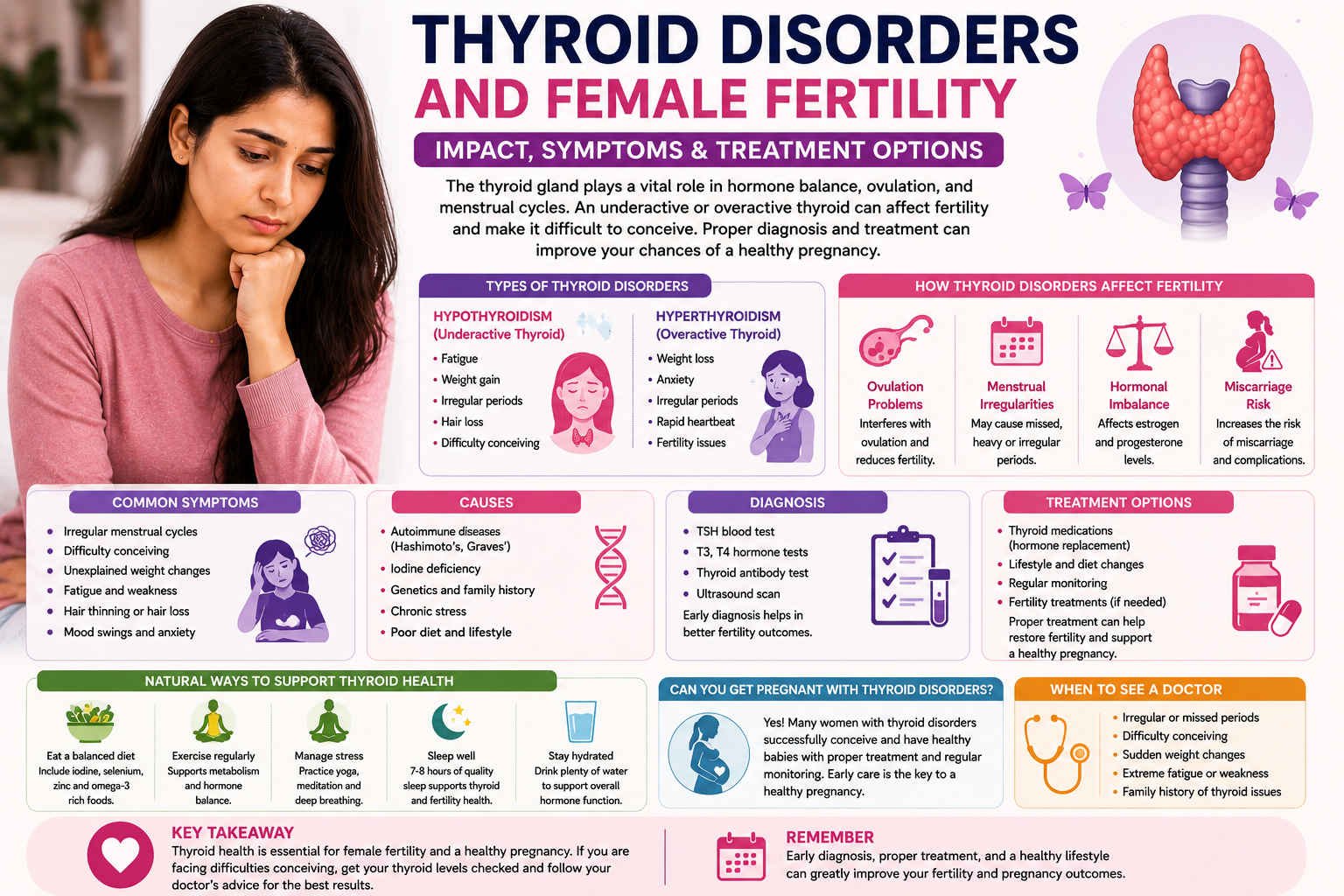
Thyroid Disorders and Female Fertility
Thyroid Disorders and Female Fertility: Impact, Symptoms & Treatment Options
Introduction
Thyroid health plays a major role in female fertility and overall reproductive wellness. The thyroid gland produces hormones that regulate metabolism, menstrual cycles, ovulation, and many other important body functions. Even a small imbalance in thyroid hormones can affect a woman’s ability to conceive and maintain a healthy pregnancy.
Thyroid disorders such as hypothyroidism and hyperthyroidism are common among women of reproductive age. Many women struggling with infertility may not realize that an underlying thyroid condition is affecting their fertility. These hormonal imbalances can interfere with ovulation, menstrual cycles, and implantation, increasing the risk of fertility problems and pregnancy complications.
Understanding the relationship between thyroid health and fertility can help women take early action, improve reproductive health, and increase their chances of successful conception.
What is the Thyroid Gland?
The thyroid is a small butterfly-shaped gland located in the front of the neck. Although small, it plays a very important role in controlling several body functions through hormone production.
The thyroid gland helps regulate:
Metabolism
Energy production
Body temperature
Menstrual cycle regulation
Ovulation
Hormonal balance
Reproductive health
The two primary thyroid hormones are:
T3 (Triiodothyronine)
T4 (Thyroxine)
These hormones work closely with reproductive hormones such as estrogen and progesterone.
How Thyroid Hormones Affect Fertility
Healthy thyroid function is essential for regular ovulation and healthy reproductive hormone balance.
When thyroid hormone levels become too high or too low, it may lead to:
Irregular ovulation
Menstrual cycle disturbances
Reduced egg quality
Implantation problems
Increased miscarriage risk
Even mild thyroid disorders can sometimes affect fertility.
Types of Thyroid Disorders Affecting Fertility
1. Hypothyroidism
Hypothyroidism occurs when the thyroid gland does not produce enough thyroid hormones.
It is one of the most common thyroid disorders affecting women.
Common Symptoms of Hypothyroidism
Weight gain
Fatigue and weakness
Irregular or heavy periods
Hair thinning or hair loss
Depression or low mood
Difficulty conceiving
Dry skin
Sensitivity to cold
Untreated hypothyroidism may interfere with ovulation and fertility.
2. Hyperthyroidism
Hyperthyroidism occurs when the thyroid gland produces excessive thyroid hormones.
This condition speeds up body metabolism and can also affect reproductive health.
Common Symptoms of Hyperthyroidism
Sudden weight loss
Anxiety or nervousness
Rapid heartbeat
Irregular or light periods
Sleep disturbances
Excess sweating
Difficulty conceiving
Severe hyperthyroidism can increase pregnancy complications if left untreated.
How Thyroid Disorders Affect Female Fertility
Thyroid imbalance can interfere with fertility in several ways:
1. Ovulation Problems
Thyroid hormones influence ovulation. Imbalance may prevent the release of healthy eggs.
Irregular or absent ovulation reduces pregnancy chances significantly.
2. Menstrual Irregularities
Women with thyroid disorders may experience:
Missed periods
Heavy bleeding
Irregular cycles
Short or long cycles
These irregularities can make conception difficult.
3. Hormonal Imbalance
Thyroid hormones interact closely with reproductive hormones.
Imbalance can affect:
Estrogen
Progesterone
FSH (Follicle Stimulating Hormone)
LH (Luteinizing Hormone)
This hormonal disruption may impact fertility.
4. Increased Miscarriage Risk
Untreated thyroid disorders may increase the risk of:
Early miscarriage
Pregnancy complications
Premature birth
Low birth weight
Proper thyroid management is essential before and during pregnancy.
Symptoms of Thyroid-Related Fertility Issues
Many women with thyroid disorders experience fertility-related symptoms such as:
Irregular menstrual cycles
Difficulty conceiving
Sudden weight changes
Fatigue or low energy
Hair thinning
Mood swings or depression
Reduced libido
Ovulation problems
These symptoms should not be ignored, especially while trying to conceive.
Causes of Thyroid Disorders
Several factors may contribute to thyroid imbalance:
1. Autoimmune Diseases
Conditions like:
Hashimoto’s thyroiditis
Graves’ disease
are common causes of thyroid disorders.
2. Iodine Deficiency
Iodine is essential for thyroid hormone production. Low iodine intake may affect thyroid function.
3. Genetics
A family history of thyroid disorders increases the risk.
4. Stress
Chronic stress can disrupt hormonal balance and thyroid function.
5. Lifestyle Factors
Poor diet, lack of sleep, smoking, and inactivity may contribute to thyroid problems.
Diagnosis of Thyroid Disorders
Doctors use several tests to diagnose thyroid conditions:
1. TSH Blood Test
TSH (Thyroid Stimulating Hormone) is the primary test for evaluating thyroid health.
2. T3 and T4 Hormone Tests
These tests measure thyroid hormone levels directly.
3. Thyroid Antibody Tests
Help detect autoimmune thyroid conditions.
4. Ultrasound Scan
Used to examine the thyroid gland structure.
Early diagnosis improves fertility outcomes and overall health.
Treatment Options for Thyroid Disorders
Treatment depends on the type and severity of the condition.
1. Thyroid Medications
For Hypothyroidism:
Doctors usually prescribe thyroid hormone replacement medication.
For Hyperthyroidism:
Medications may help reduce excessive hormone production.
Proper medication can restore hormonal balance and improve fertility.
2. Lifestyle Changes
Healthy lifestyle habits support thyroid function naturally.
These include:
Healthy diet
Stress management
Regular exercise
Quality sleep
3. Fertility Treatments
If conception remains difficult, fertility treatments such as:
Ovulation induction
IUI
IVF
may be recommended.
Natural Ways to Support Thyroid Health
Lifestyle improvements can positively impact thyroid and reproductive health.
1. Eat a Balanced Diet
Include foods rich in:
Iodine
Selenium
Zinc
Iron
Vitamin D
Healthy thyroid-supporting foods include:
Fish
Eggs
Dairy products
Nuts and seeds
Green vegetables
2. Exercise Regularly
Moderate exercise helps regulate metabolism and hormone balance.
Helpful activities include:
Walking
Yoga
Swimming
Light workouts
3. Manage Stress
Chronic stress affects thyroid hormones and fertility.
Stress management techniques include:
Meditation
Deep breathing
Yoga
Relaxation exercises
4. Get Adequate Sleep
Good sleep supports hormonal balance and overall reproductive health.
Aim for:
7–8 hours of quality sleep daily
Can You Get Pregnant with Thyroid Disorders?
Yes. Many women with thyroid disorders successfully conceive and have healthy pregnancies after proper treatment and hormone management.
The key factors include:
Early diagnosis
Regular monitoring
Proper medication
Healthy lifestyle habits
Managing thyroid levels before pregnancy greatly improves fertility outcomes.
Tips to Improve Fertility with Thyroid Disorders
Follow prescribed medication regularly
Maintain healthy body weight
Track ovulation cycles
Eat nutrient-rich foods
Reduce stress levels
Avoid smoking and alcohol
Schedule regular thyroid check-ups
Consistency is very important for hormonal health.
When to See a Doctor
Consult a doctor if you experience:
Irregular menstrual cycles
Difficulty conceiving
Persistent fatigue
Sudden weight changes
Hair thinning or hair loss
Recurrent miscarriages
Early medical care improves fertility success and pregnancy health.
Emotional Impact of Thyroid-Related Fertility Problems
Fertility struggles caused by thyroid disorders can be emotionally overwhelming.
Women may experience:
Anxiety
Frustration
Stress
Depression
It is important to:
Seek emotional support
Communicate openly with your partner
Consider counseling if needed
Mental well-being is an important part of reproductive health.
FAQs About Thyroid Disorders and Fertility
1. Can hypothyroidism cause infertility?
Yes, untreated hypothyroidism may interfere with ovulation and menstrual cycles.
2. Can thyroid treatment improve fertility?
Yes, proper thyroid management often improves fertility significantly.
3. Is pregnancy possible with thyroid disorders?
Absolutely. Many women conceive successfully after treatment.
4. Should thyroid levels be checked before pregnancy?
Yes, thyroid testing is highly recommended while planning pregnancy.
Conclusion
Thyroid disorders are a common but manageable cause of female infertility. Since thyroid hormones influence ovulation, menstrual cycles, and reproductive health, maintaining proper thyroid balance is essential for conception and healthy pregnancy outcomes.
With early diagnosis, medical treatment, healthy lifestyle changes, and regular monitoring, many women with thyroid disorders successfully achieve pregnancy. Women planning pregnancy should prioritize thyroid health as an important part of their fertility journey.
Introduction
Thyroid health plays a major role in female fertility and overall reproductive wellness. The thyroid gland produces hormones that regulate metabolism, menstrual cycles, ovulation, and many other important body functions. Even a small imbalance in thyroid hormones can affect a woman’s ability to conceive and maintain a healthy pregnancy.
Thyroid disorders such as hypothyroidism and hyperthyroidism are common among women of reproductive age. Many women struggling with infertility may not realize that an underlying thyroid condition is affecting their fertility. These hormonal imbalances can interfere with ovulation, menstrual cycles, and implantation, increasing the risk of fertility problems and pregnancy complications.
Understanding the relationship between thyroid health and fertility can help women take early action, improve reproductive health, and increase their chances of successful conception.
What is the Thyroid Gland?
The thyroid is a small butterfly-shaped gland located in the front of the neck. Although small, it plays a very important role in controlling several body functions through hormone production.
The thyroid gland helps regulate:
Metabolism
Energy production
Body temperature
Menstrual cycle regulation
Ovulation
Hormonal balance
Reproductive health
The two primary thyroid hormones are:
T3 (Triiodothyronine)
T4 (Thyroxine)
These hormones work closely with reproductive hormones such as estrogen and progesterone.
How Thyroid Hormones Affect Fertility
Healthy thyroid function is essential for regular ovulation and healthy reproductive hormone balance.
When thyroid hormone levels become too high or too low, it may lead to:
Irregular ovulation
Menstrual cycle disturbances
Reduced egg quality
Implantation problems
Increased miscarriage risk
Even mild thyroid disorders can sometimes affect fertility.
Types of Thyroid Disorders Affecting Fertility
1. Hypothyroidism
Hypothyroidism occurs when the thyroid gland does not produce enough thyroid hormones.
It is one of the most common thyroid disorders affecting women.
Common Symptoms of Hypothyroidism
Weight gain
Fatigue and weakness
Irregular or heavy periods
Hair thinning or hair loss
Depression or low mood
Difficulty conceiving
Dry skin
Sensitivity to cold
Untreated hypothyroidism may interfere with ovulation and fertility.
2. Hyperthyroidism
Hyperthyroidism occurs when the thyroid gland produces excessive thyroid hormones.
This condition speeds up body metabolism and can also affect reproductive health.
Common Symptoms of Hyperthyroidism
Sudden weight loss
Anxiety or nervousness
Rapid heartbeat
Irregular or light periods
Sleep disturbances
Excess sweating
Difficulty conceiving
Severe hyperthyroidism can increase pregnancy complications if left untreated.
How Thyroid Disorders Affect Female Fertility
Thyroid imbalance can interfere with fertility in several ways:
1. Ovulation Problems
Thyroid hormones influence ovulation. Imbalance may prevent the release of healthy eggs.
Irregular or absent ovulation reduces pregnancy chances significantly.
2. Menstrual Irregularities
Women with thyroid disorders may experience:
Missed periods
Heavy bleeding
Irregular cycles
Short or long cycles
These irregularities can make conception difficult.
3. Hormonal Imbalance
Thyroid hormones interact closely with reproductive hormones.
Imbalance can affect:
Estrogen
Progesterone
FSH (Follicle Stimulating Hormone)
LH (Luteinizing Hormone)
This hormonal disruption may impact fertility.
4. Increased Miscarriage Risk
Untreated thyroid disorders may increase the risk of:
Early miscarriage
Pregnancy complications
Premature birth
Low birth weight
Proper thyroid management is essential before and during pregnancy.
Symptoms of Thyroid-Related Fertility Issues
Many women with thyroid disorders experience fertility-related symptoms such as:
Irregular menstrual cycles
Difficulty conceiving
Sudden weight changes
Fatigue or low energy
Hair thinning
Mood swings or depression
Reduced libido
Ovulation problems
These symptoms should not be ignored, especially while trying to conceive.
Causes of Thyroid Disorders
Several factors may contribute to thyroid imbalance:
1. Autoimmune Diseases
Conditions like:
Hashimoto’s thyroiditis
Graves’ disease
are common causes of thyroid disorders.
2. Iodine Deficiency
Iodine is essential for thyroid hormone production. Low iodine intake may affect thyroid function.
3. Genetics
A family history of thyroid disorders increases the risk.
4. Stress
Chronic stress can disrupt hormonal balance and thyroid function.
5. Lifestyle Factors
Poor diet, lack of sleep, smoking, and inactivity may contribute to thyroid problems.
Diagnosis of Thyroid Disorders
Doctors use several tests to diagnose thyroid conditions:
1. TSH Blood Test
TSH (Thyroid Stimulating Hormone) is the primary test for evaluating thyroid health.
2. T3 and T4 Hormone Tests
These tests measure thyroid hormone levels directly.
3. Thyroid Antibody Tests
Help detect autoimmune thyroid conditions.
4. Ultrasound Scan
Used to examine the thyroid gland structure.
Early diagnosis improves fertility outcomes and overall health.
Treatment Options for Thyroid Disorders
Treatment depends on the type and severity of the condition.
1. Thyroid Medications
For Hypothyroidism:
Doctors usually prescribe thyroid hormone replacement medication.
For Hyperthyroidism:
Medications may help reduce excessive hormone production.
Proper medication can restore hormonal balance and improve fertility.
2. Lifestyle Changes
Healthy lifestyle habits support thyroid function naturally.
These include:
Healthy diet
Stress management
Regular exercise
Quality sleep
3. Fertility Treatments
If conception remains difficult, fertility treatments such as:
Ovulation induction
IUI
IVF
may be recommended.
Natural Ways to Support Thyroid Health
Lifestyle improvements can positively impact thyroid and reproductive health.
1. Eat a Balanced Diet
Include foods rich in:
Iodine
Selenium
Zinc
Iron
Vitamin D
Healthy thyroid-supporting foods include:
Fish
Eggs
Dairy products
Nuts and seeds
Green vegetables
2. Exercise Regularly
Moderate exercise helps regulate metabolism and hormone balance.
Helpful activities include:
Walking
Yoga
Swimming
Light workouts
3. Manage Stress
Chronic stress affects thyroid hormones and fertility.
Stress management techniques include:
Meditation
Deep breathing
Yoga
Relaxation exercises
4. Get Adequate Sleep
Good sleep supports hormonal balance and overall reproductive health.
Aim for:
7–8 hours of quality sleep daily
Can You Get Pregnant with Thyroid Disorders?
Yes. Many women with thyroid disorders successfully conceive and have healthy pregnancies after proper treatment and hormone management.
The key factors include:
Early diagnosis
Regular monitoring
Proper medication
Healthy lifestyle habits
Managing thyroid levels before pregnancy greatly improves fertility outcomes.
Tips to Improve Fertility with Thyroid Disorders
Follow prescribed medication regularly
Maintain healthy body weight
Track ovulation cycles
Eat nutrient-rich foods
Reduce stress levels
Avoid smoking and alcohol
Schedule regular thyroid check-ups
Consistency is very important for hormonal health.
When to See a Doctor
Consult a doctor if you experience:
Irregular menstrual cycles
Difficulty conceiving
Persistent fatigue
Sudden weight changes
Hair thinning or hair loss
Recurrent miscarriages
Early medical care improves fertility success and pregnancy health.
Emotional Impact of Thyroid-Related Fertility Problems
Fertility struggles caused by thyroid disorders can be emotionally overwhelming.
Women may experience:
Anxiety
Frustration
Stress
Depression
It is important to:
Seek emotional support
Communicate openly with your partner
Consider counseling if needed
Mental well-being is an important part of reproductive health.
FAQs About Thyroid Disorders and Fertility
1. Can hypothyroidism cause infertility?
Yes, untreated hypothyroidism may interfere with ovulation and menstrual cycles.
2. Can thyroid treatment improve fertility?
Yes, proper thyroid management often improves fertility significantly.
3. Is pregnancy possible with thyroid disorders?
Absolutely. Many women conceive successfully after treatment.
4. Should thyroid levels be checked before pregnancy?
Yes, thyroid testing is highly recommended while planning pregnancy.
Conclusion
Thyroid disorders are a common but manageable cause of female infertility. Since thyroid hormones influence ovulation, menstrual cycles, and reproductive health, maintaining proper thyroid balance is essential for conception and healthy pregnancy outcomes.
With early diagnosis, medical treatment, healthy lifestyle changes, and regular monitoring, many women with thyroid disorders successfully achieve pregnancy. Women planning pregnancy should prioritize thyroid health as an important part of their fertility journey.