
Uterine Fibroids and Female Fertility
Shop through our latest selection of Fashion
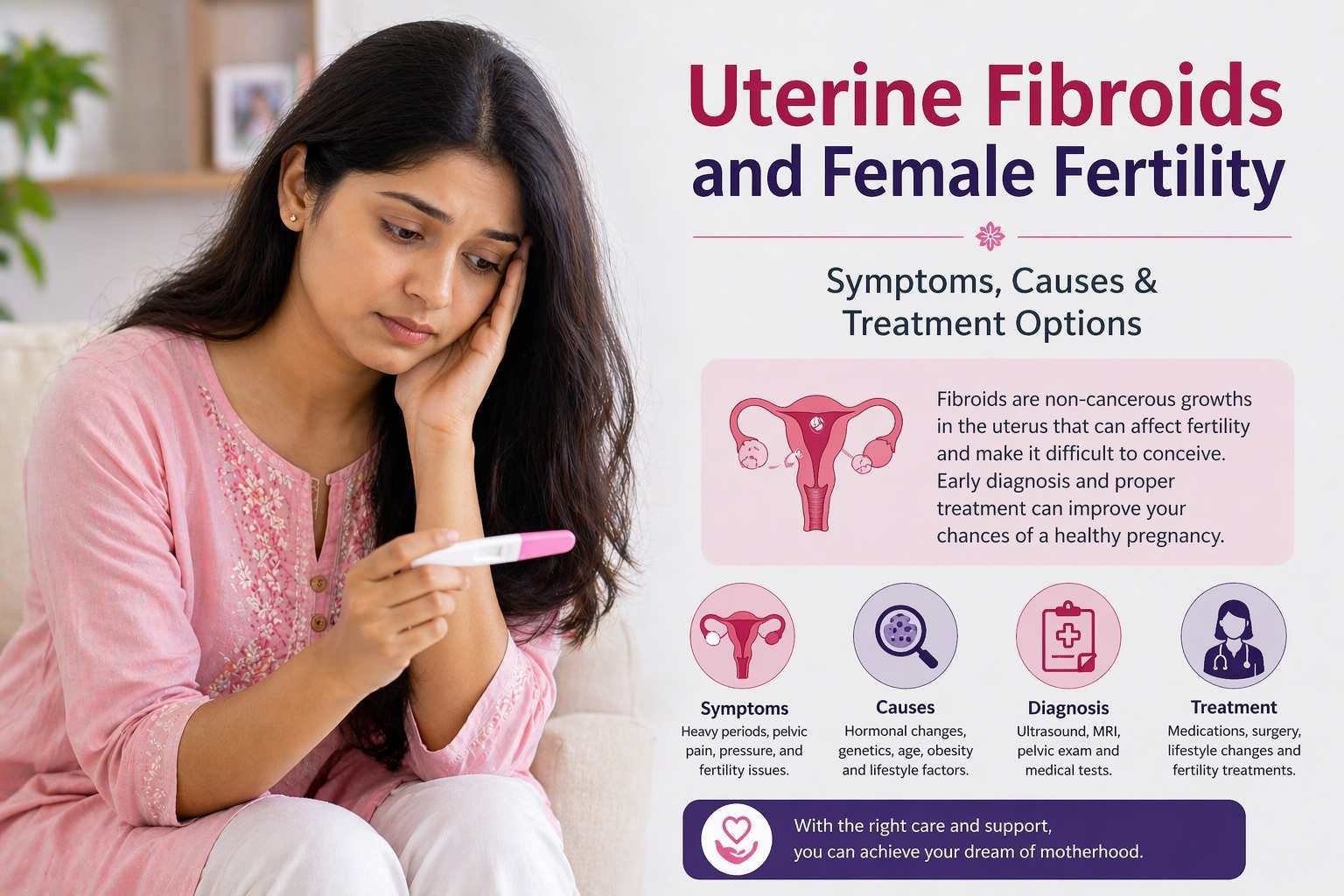
Uterine Fibroids and Female Fertility
Uterine Fibroids and Female Fertility: Symptoms, Causes & Treatment Options
Introduction
Uterine fibroids are one of the most common health conditions affecting women during their reproductive years. Although these growths are non-cancerous, they can sometimes interfere with fertility and make it difficult to conceive. Many women may have fibroids without even knowing it, while others may experience noticeable symptoms that impact their daily life and reproductive health.
Understanding uterine fibroids and their effect on fertility is crucial, especially for women planning pregnancy or facing difficulties in conceiving. The good news is that with early diagnosis and the right treatment approach, many women with fibroids can still achieve a healthy and successful pregnancy.
What are Uterine Fibroids?
Uterine fibroids, also known as leiomyomas, are non-cancerous tumors that develop in or around the uterus. They are made up of muscle and fibrous tissue and can vary greatly in size—from tiny growths that are barely visible to large masses that can distort the shape of the uterus.
Fibroids are most commonly diagnosed in women between the ages of 20 and 40, although they can occur at any age. Their growth is often influenced by hormones, particularly estrogen and progesterone.
Types of Fibroids
Fibroids can develop in different parts of the uterus, and their location plays a key role in how they affect fertility:
1. Intramural Fibroids
These grow within the muscular wall of the uterus and are the most common type. Large intramural fibroids can enlarge the uterus and interfere with implantation.
2. Submucosal Fibroids
These develop just beneath the inner lining of the uterus. They are most likely to affect fertility as they can distort the uterine cavity and prevent embryo implantation.
3. Subserosal Fibroids
These grow on the outer surface of the uterus. While they may not directly affect fertility, large ones can press on nearby organs and cause discomfort.
4. Pedunculated Fibroids
These fibroids are attached to the uterus by a thin stalk and can grow either inside or outside the uterus.
How Fibroids Affect Fertility
Not all fibroids cause infertility, but depending on their size and location, they can interfere with pregnancy in several ways:
Blocking the fallopian tubes, preventing sperm from reaching the egg
Distorting the shape of the uterus, making implantation difficult
Reducing blood flow to the uterine lining
Causing inflammation in the uterus
Increasing the risk of miscarriage
In some cases, fibroids can also affect the positioning of the embryo, making it harder for a pregnancy to develop normally.
Causes of Uterine Fibroids
The exact cause of fibroids is still not fully understood, but several factors are believed to contribute:
1. Hormonal Imbalance
High levels of estrogen and progesterone stimulate the growth of fibroids.
2. Genetic Factors
A family history of fibroids increases the risk.
3. Lifestyle Factors
Poor diet, lack of physical activity, and obesity can contribute to fibroid development.
4. Age and Reproductive Years
Fibroids are more common during reproductive years and often shrink after menopause.
Symptoms of Uterine Fibroids
Many women with fibroids experience no symptoms. However, when symptoms occur, they may include:
Heavy or prolonged menstrual periods
Pelvic pain or pressure
Frequent urination
Pain during intercourse
Lower back pain
Abdominal swelling or bloating
Difficulty in conceiving
The severity of symptoms often depends on the size and location of the fibroids.
Diagnosis of Fibroids
Early diagnosis is important for effective treatment. Doctors may recommend:
Pelvic Examination – To detect abnormalities
Ultrasound Scan – The most common method to identify fibroids
MRI Scan – Provides detailed imaging of fibroid size and location
Hysteroscopy – Allows direct visualization inside the uterus
Accurate diagnosis helps doctors determine the best treatment plan.
Treatment Options for Uterine Fibroids
Treatment depends on symptoms, fibroid size, and fertility goals:
1. Medications
Hormonal treatments can help control symptoms and sometimes shrink fibroids.
2. Non-Surgical Procedures
Uterine artery embolization (UAE) reduces blood supply to fibroids, causing them to shrink.
3. Surgical Treatments
Myomectomy – Removes fibroids while preserving the uterus (best for women planning pregnancy)
Hysterectomy – Complete removal of the uterus (for severe cases)
4. Fertility Treatments
If fibroids affect conception, treatments like IVF (In Vitro Fertilization) may be recommended.
Natural Ways to Manage Fibroids
While medical treatment is important, lifestyle changes can help manage symptoms:
1. Healthy Diet
Include fruits, vegetables, and fiber-rich foods to support hormonal balance.
2. Regular Exercise
Helps maintain a healthy weight and regulate hormones.
3. Stress Management
Yoga, meditation, and relaxation techniques can help reduce hormonal imbalance.
4. Maintain Healthy Weight
Excess weight can increase estrogen levels and worsen fibroid growth.
Can You Get Pregnant with Fibroids?
Yes, many women with fibroids can conceive naturally. The impact depends on:
Size of the fibroids
Number of fibroids
Location within the uterus
With proper medical guidance and treatment, fertility outcomes can improve significantly. In many cases, removing problematic fibroids increases the chances of successful pregnancy.
Prevention Tips
While fibroids cannot always be prevented, certain steps may reduce the risk:
Maintain a balanced diet
Exercise regularly
Manage stress levels
Avoid excessive processed foods
Schedule regular health check-ups
Emotional Impact of Fibroids and Infertility
Dealing with fibroids and fertility challenges can be emotionally overwhelming. Women may experience stress, anxiety, or frustration.
It is important to:
Communicate openly with your partner
Seek emotional support
Consider counseling if needed
A healthy mindset plays an important role in overall reproductive health.
When to See a Doctor
Consult a doctor if you experience:
Heavy or painful menstrual periods
Difficulty in conceiving
Persistent pelvic pain
Known fibroids while planning pregnancy
Early medical intervention can improve treatment success and fertility outcomes.
FAQs About Fibroids and Fertility
1. Do fibroids always cause infertility?
No, many women with fibroids can conceive naturally without any issues.
2. Can fibroids go away on their own?
Small fibroids may shrink over time, especially after menopause.
3. Is surgery necessary for fibroids?
Not always. Treatment depends on symptoms and fertility goals.
4. Can IVF help with fibroids?
Yes, IVF can improve chances of pregnancy, especially if fibroids affect conception.
Conclusion
Uterine fibroids are a common condition, but they do not always prevent pregnancy. With early diagnosis, proper treatment, and healthy lifestyle changes, many women can successfully manage fibroids and improve their fertility.
Being informed and proactive is the key to a successful reproductive journey. If you are experiencing symptoms or planning pregnancy, consult a healthcare professional for the best guidance.
Introduction
Uterine fibroids are one of the most common health conditions affecting women during their reproductive years. Although these growths are non-cancerous, they can sometimes interfere with fertility and make it difficult to conceive. Many women may have fibroids without even knowing it, while others may experience noticeable symptoms that impact their daily life and reproductive health.
Understanding uterine fibroids and their effect on fertility is crucial, especially for women planning pregnancy or facing difficulties in conceiving. The good news is that with early diagnosis and the right treatment approach, many women with fibroids can still achieve a healthy and successful pregnancy.
What are Uterine Fibroids?
Uterine fibroids, also known as leiomyomas, are non-cancerous tumors that develop in or around the uterus. They are made up of muscle and fibrous tissue and can vary greatly in size—from tiny growths that are barely visible to large masses that can distort the shape of the uterus.
Fibroids are most commonly diagnosed in women between the ages of 20 and 40, although they can occur at any age. Their growth is often influenced by hormones, particularly estrogen and progesterone.
Types of Fibroids
Fibroids can develop in different parts of the uterus, and their location plays a key role in how they affect fertility:
1. Intramural Fibroids
These grow within the muscular wall of the uterus and are the most common type. Large intramural fibroids can enlarge the uterus and interfere with implantation.
2. Submucosal Fibroids
These develop just beneath the inner lining of the uterus. They are most likely to affect fertility as they can distort the uterine cavity and prevent embryo implantation.
3. Subserosal Fibroids
These grow on the outer surface of the uterus. While they may not directly affect fertility, large ones can press on nearby organs and cause discomfort.
4. Pedunculated Fibroids
These fibroids are attached to the uterus by a thin stalk and can grow either inside or outside the uterus.
How Fibroids Affect Fertility
Not all fibroids cause infertility, but depending on their size and location, they can interfere with pregnancy in several ways:
Blocking the fallopian tubes, preventing sperm from reaching the egg
Distorting the shape of the uterus, making implantation difficult
Reducing blood flow to the uterine lining
Causing inflammation in the uterus
Increasing the risk of miscarriage
In some cases, fibroids can also affect the positioning of the embryo, making it harder for a pregnancy to develop normally.
Causes of Uterine Fibroids
The exact cause of fibroids is still not fully understood, but several factors are believed to contribute:
1. Hormonal Imbalance
High levels of estrogen and progesterone stimulate the growth of fibroids.
2. Genetic Factors
A family history of fibroids increases the risk.
3. Lifestyle Factors
Poor diet, lack of physical activity, and obesity can contribute to fibroid development.
4. Age and Reproductive Years
Fibroids are more common during reproductive years and often shrink after menopause.
Symptoms of Uterine Fibroids
Many women with fibroids experience no symptoms. However, when symptoms occur, they may include:
Heavy or prolonged menstrual periods
Pelvic pain or pressure
Frequent urination
Pain during intercourse
Lower back pain
Abdominal swelling or bloating
Difficulty in conceiving
The severity of symptoms often depends on the size and location of the fibroids.
Diagnosis of Fibroids
Early diagnosis is important for effective treatment. Doctors may recommend:
Pelvic Examination – To detect abnormalities
Ultrasound Scan – The most common method to identify fibroids
MRI Scan – Provides detailed imaging of fibroid size and location
Hysteroscopy – Allows direct visualization inside the uterus
Accurate diagnosis helps doctors determine the best treatment plan.
Treatment Options for Uterine Fibroids
Treatment depends on symptoms, fibroid size, and fertility goals:
1. Medications
Hormonal treatments can help control symptoms and sometimes shrink fibroids.
2. Non-Surgical Procedures
Uterine artery embolization (UAE) reduces blood supply to fibroids, causing them to shrink.
3. Surgical Treatments
Myomectomy – Removes fibroids while preserving the uterus (best for women planning pregnancy)
Hysterectomy – Complete removal of the uterus (for severe cases)
4. Fertility Treatments
If fibroids affect conception, treatments like IVF (In Vitro Fertilization) may be recommended.
Natural Ways to Manage Fibroids
While medical treatment is important, lifestyle changes can help manage symptoms:
1. Healthy Diet
Include fruits, vegetables, and fiber-rich foods to support hormonal balance.
2. Regular Exercise
Helps maintain a healthy weight and regulate hormones.
3. Stress Management
Yoga, meditation, and relaxation techniques can help reduce hormonal imbalance.
4. Maintain Healthy Weight
Excess weight can increase estrogen levels and worsen fibroid growth.
Can You Get Pregnant with Fibroids?
Yes, many women with fibroids can conceive naturally. The impact depends on:
Size of the fibroids
Number of fibroids
Location within the uterus
With proper medical guidance and treatment, fertility outcomes can improve significantly. In many cases, removing problematic fibroids increases the chances of successful pregnancy.
Prevention Tips
While fibroids cannot always be prevented, certain steps may reduce the risk:
Maintain a balanced diet
Exercise regularly
Manage stress levels
Avoid excessive processed foods
Schedule regular health check-ups
Emotional Impact of Fibroids and Infertility
Dealing with fibroids and fertility challenges can be emotionally overwhelming. Women may experience stress, anxiety, or frustration.
It is important to:
Communicate openly with your partner
Seek emotional support
Consider counseling if needed
A healthy mindset plays an important role in overall reproductive health.
When to See a Doctor
Consult a doctor if you experience:
Heavy or painful menstrual periods
Difficulty in conceiving
Persistent pelvic pain
Known fibroids while planning pregnancy
Early medical intervention can improve treatment success and fertility outcomes.
FAQs About Fibroids and Fertility
1. Do fibroids always cause infertility?
No, many women with fibroids can conceive naturally without any issues.
2. Can fibroids go away on their own?
Small fibroids may shrink over time, especially after menopause.
3. Is surgery necessary for fibroids?
Not always. Treatment depends on symptoms and fertility goals.
4. Can IVF help with fibroids?
Yes, IVF can improve chances of pregnancy, especially if fibroids affect conception.
Conclusion
Uterine fibroids are a common condition, but they do not always prevent pregnancy. With early diagnosis, proper treatment, and healthy lifestyle changes, many women can successfully manage fibroids and improve their fertility.
Being informed and proactive is the key to a successful reproductive journey. If you are experiencing symptoms or planning pregnancy, consult a healthcare professional for the best guidance.